
Understanding a home inspection report is one of the most important steps in evaluating a property before finalizing a purchase decision. A detailed home inspection in Florida provides insight into structural condition, system performance, and safety concerns that may affect both financing eligibility and long-term maintenance planning. Buyers who know how to interpret inspection findings can prioritize repairs more effectively and avoid unexpected ownership costs. In competitive markets like Tampa Bay, inspection results often influence negotiation strategies and renovation planning timelines. Reviewing a home inspection report carefully helps ensure that property risks are identified early and addressed with confidence. Advanced Real Estate Services supports buyers by helping them interpret inspection findings and understand how property conditions may affect financing options and renovation planning decisions.
Key Takeaways
- Understanding a home inspection report is crucial for informed property purchase decisions.
- Inspection reports evaluate structural conditions, system performance, and safety concerns.
- Florida inspections focus on moisture, roof lifespan, and drainage due to climate.
- Structural evaluations include foundation settlement and roof framing alignment.
- Mechanical systems like plumbing and HVAC are assessed for functionality and safety.
- Safety hazards such as exposed wiring and moisture risks are identified in reports.
- Common findings include roof wear, moisture exposure, and aging electrical systems.
- Severity levels in reports help prioritize repairs and align with financing timelines.
- Buyers should address critical findings before closing to ensure safety and readiness.
What Does a Home Inspection Report Include? Key Components Explained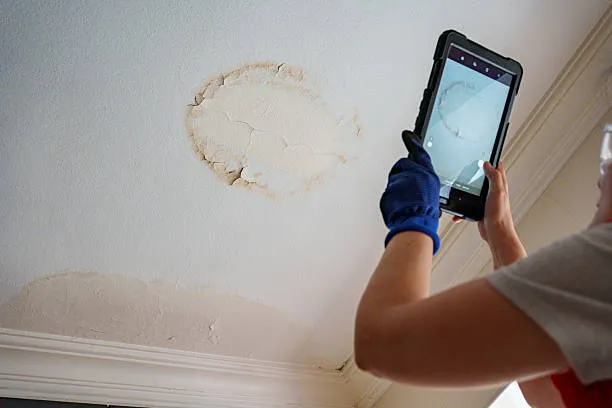
A home inspection report provides a structured evaluation of a property’s visible condition across its major structural elements and operating systems. Inspectors document conditions that affect safety, functionality, and long-term durability rather than cosmetic appearance. In a Florida home inspection review, inspectors often focus on moisture exposure, roof lifespan, ventilation performance, and drainage behaviour because of the local climate. These reports help buyers determine repair priorities and identify whether additional specialist evaluations are recommended. Understanding how each section of a home inspection report relates to ownership costs improves decision-making before closing. Buyers who review inspection findings strategically can align repair planning with financing options and long-term investment goals.
Structural Elements Reviewed In A Home Inspection Report
Structural observations help determine whether a property has experienced settlement movement, framing stress, or moisture-related deterioration. Inspectors evaluate the foundation, roof framing, and load-bearing components for visible indicators of instability. These findings influence both safety expectations and long-term maintenance planning. Structural observations may also affect insurance approval requirements depending on severity. Buyers benefit from reviewing these details carefully before negotiating repairs. Understanding structural conditions early supports confident purchasing decisions.
Common Structural Inspection Observations Include:
- Foundation Settlement Patterns
- Roof Framing Alignment Conditions
- Attic Ventilation Performance Indicators
- Ceiling Separation Or Sagging Signs
- Wall Movement Or Stress Cracking
- Evidence Of Long-Term Moisture Exposure
- Drainage Influence Near Foundation Edges
Why Structural Sections Matter In A Florida Property Evaluation
Florida soil movement and humidity exposure can influence structural behaviour over time. Inspectors evaluate drainage and moisture patterns that affect foundation stability. Early identification of these risks helps buyers plan preventative improvements before they become costly repairs.
Mechanical Systems Evaluated Inside The Home Inspection Report
Mechanical system evaluations focus on functionality, safety conditions, and service life expectations. Inspectors review plumbing infrastructure, electrical panels, and HVAC components to identify performance limitations or upgrade needs. These findings help buyers estimate future maintenance timelines after closing. System conditions may also influence renovation planning decisions when improvements are expected shortly after purchase. Understanding mechanical observations strengthens budgeting accuracy. Reviewing these sections carefully improves ownership preparedness:
- Inspectors Typically Review
- Water Heater Service Condition
- Electrical Panel Compatibility
- Visible Wiring Safety Concerns
- HVAC Airflow Performance
- Drainage Efficiency Indicators
- Fixture Operation Reliability
- Ventilation Performance Levels
How Mechanical System Findings Affect Ownership Planning
Mechanical system deficiencies often influence repair sequencing after purchase. Buyers who understand service life expectations can plan maintenance budgets more effectively and avoid unexpected replacement costs.
Safety Hazards Identified In The Home Inspection Report
Safety observations highlight conditions that may affect occupancy readiness or insurance approval eligibility. Inspectors document visible concerns such as exposed wiring, ventilation limitations, and moisture-related contamination risks. Identifying these hazards early allows buyers to prioritize corrective actions before closing. Safety findings may also affect lender requirements in certain transactions. Understanding these risks improves both negotiation confidence and long-term property protection planning. Reviewing safety sections carefully helps buyers move forward responsibly.
Which Common Findings Appear Most Often In A Home Inspection Florida Report?

Inspection findings in a Florida home inspection frequently relate to roof wear, moisture exposure, aging electrical systems, and plumbing reliability concerns. These conditions reflect both environmental exposure and normal property aging patterns across the Tampa Bay region. Recognizing these recurring findings helps buyers distinguish between routine maintenance needs and serious repair priorities. Inspection observations should be evaluated within the context of property age and construction type. A detailed home inspection report supports better budgeting decisions before closing. Advanced Real Estate Services helps buyers interpret inspection findings and understand how they influence renovation planning strategies and financing readiness.
Roofing Conditions Commonly Noted In Florida Inspection Reports
Roof systems are evaluated for material aging, flashing performance, and storm exposure indicators. Inspectors document signs of moisture intrusion that could affect attic insulation and interior finishes. Roofing observations help determine whether maintenance or replacement planning is needed. These findings also influence insurance eligibility timelines in some cases. Buyers benefit from reviewing roof lifespan expectations before closing. Understanding roofing conditions supports stronger long-term ownership planning.
Common Roofing Observations Include:
- Missing Or Displaced Shingles
- Flashing Deterioration Around Penetrations
- Evidence Of Attic Moisture Exposure
- Ventilation Imbalance Indicators
- Aging Underlayment Materials
- Roof Surface Granule Loss
- Signs Of Prior Patch Repairs
Why Roofing Conditions Matter For Florida Buyers
Storm exposure and humidity levels can shorten roof lifespan across Florida properties. Inspectors evaluate these factors to determine whether preventive maintenance is recommended before closing.
Plumbing Observations Frequently Listed In Inspection Reports
Plumbing observations help identify drainage efficiency concerns and corrosion patterns that affect long-term reliability. Inspectors evaluate fixture performance and water heater condition to determine service expectations. Moisture exposure indicators are especially important in humid climates. Early identification of plumbing limitations reduces the likelihood of structural water damage. Buyers benefit from reviewing these sections carefully when planning improvement timelines. Understanding plumbing findings supports healthier indoor environments.
Electrical System Conditions Identified During Inspections
Electrical observations typically involve panel compatibility, grounding performance, and wiring material condition. Inspectors document visible concerns that may affect safety, readiness, or modernization planning. Electrical updates are common recommendations for older homes built under earlier code standards. Reviewing electrical findings carefully helps buyers prioritize upgrades after purchase. These observations also influence insurance approval considerations in some transactions.
How To Interpret The Severity Levels In Your Home Inspection Report

Interpreting severity classifications inside a home inspection report helps buyers distinguish between maintenance planning items and urgent repair priorities. Inspection reports typically group observations by safety relevance and functional impact. Understanding severity levels improves negotiation strategies before closing. Buyers benefit from aligning repair priorities with financing timelines when major improvements are expected. Reviewing severity categories carefully supports better budgeting accuracy. Advanced Real Estate Services helps clients interpret severity levels so they can align inspection findings with renovation planning strategies.
Identifying Critical Findings That Require Immediate Attention
Critical findings indicate conditions that may affect occupancy readiness or lender approval requirements. These issues should be evaluated before closing whenever possible. Early response planning helps reduce risk exposure after purchase. Buyers benefit from understanding how critical observations influence negotiation strategy. Prioritizing safety-related findings strengthens purchase confidence.
Examples Of Critical Inspection Observations Include:
- Exposed Electrical Conductors
- Active Roof Leakage Conditions
- Structural Framing Instability Indicators
- Significant Foundation Displacement Patterns
- Visible Mold Contamination Areas
- Inoperable Safety Ventilation Components
- Water Heater Safety Valve Failures
Recognizing Major Findings That Affect Long-Term Property Value
Major findings involve system limitations or structural wear that affect long-term ownership costs but may not require immediate correction before occupancy. These observations often influence renovation timelines after closing. Buyers benefit from evaluating these findings within their long-term budgeting strategy. Understanding major findings supports realistic improvement planning. Reviewing these conditions helps strengthen negotiation decisions.
Differentiating Minor Maintenance Items From Priority Repairs
Minor findings usually involve cosmetic wear or preventative maintenance recommendations. Inspectors document these observations to support long-term property upkeep planning. Addressing minor conditions gradually helps prevent escalation into larger repair needs. Buyers benefit from understanding the difference between maintenance and structural concerns. Reviewing these items carefully supports proactive ownership planning.
Frequently Asked Questions
What should I do if my home inspection report reveals critical findings?
Start by reviewing the severity of the findings to determine whether they affect safety, financing eligibility, or long-term repair costs. Buyers can request repairs, negotiate price adjustments, or plan improvements before closing. Advanced Real Estate Services helps clients interpret critical findings and understand how they may influence renovation loan planning and purchase decisions.
How can I prepare for a home inspection?
Ensure inspectors can access key areas such as the attic, electrical panel, HVAC equipment, crawlspaces, and under sinks. Turning on utilities and clearing storage from access points helps inspectors complete a thorough evaluation.
How long does a home inspection typically take?
Most inspections take between two and four hours, depending on the property’s size, age, condition, and accessibility. Larger homes or properties with additional systems may require more time.
Can I attend the home inspection?
Yes, attending the inspection is strongly recommended because it allows you to see issues firsthand and ask questions directly to the inspector. This helps you better understand maintenance priorities identified in the report.
Are home inspections required for all home purchases?
Home inspections are not always legally required, but they are strongly recommended because they identify safety risks and repair needs before closing. Lenders may require inspections in certain financing situations, especially when renovation loans are involved.
What should I do if the inspection report recommends further evaluations?
Follow up with qualified specialists such as structural engineers, roofing professionals, or HVAC technicians when recommended. Advanced Real Estate Services can help buyers understand how additional evaluations affect renovation planning timelines and financing considerations.
Conclusion
Understanding a home inspection report is crucial for making informed property decisions, as it highlights structural conditions, system performance, and safety concerns that can impact ownership costs. By effectively interpreting these findings, buyers can prioritize repairs and align their renovation plans with financing options, ultimately enhancing their investment strategy. Advanced Real Estate Services is here to assist you in navigating these insights, ensuring you make confident choices before closing. Take the next step in your home-buying journey by exploring our expert services today.