A home inspection is one of the most important steps in the home-buying process because it reveals conditions that may affect safety, value, and long-term maintenance costs. Buyers who understand common inspection issues can better evaluate whether a property is a sound investment before closing. In Florida, factors such as humidity, storms, and soil movement make structural, roofing, and moisture concerns especially important to assess early. Reviewing inspection findings carefully helps prevent unexpected repair expenses and supports stronger negotiation decisions. Awareness of system performance across plumbing, electrical, and HVAC components also improves long-term budgeting confidence. Advanced Real Estate Services helps buyers interpret inspection findings so they can better understand how property conditions may affect financing options and renovation planning.
Key Takeaways
- Structural issues such as foundation cracks, settling, and wall movement can affect both safety and long-term property value if not identified early during inspections.
- Roofing defects like leaks, missing shingles, and moisture exposure are common in Tampa Bay homes and can lead to interior damage if left unresolved.
- Plumbing problems, including leaks, corrosion, and low water pressure, can cause mold growth and structural deterioration over time.
- Electrical concerns, such as outdated wiring or overloaded panels, may create safety hazards and influence insurance approval or repair planning.
- Reviewing inspection findings with Advanced Real Estate Services helps buyers understand repair priorities and evaluate renovation loan options when needed.
What Are the Most Frequent Structural Issues Found During Home Inspections?
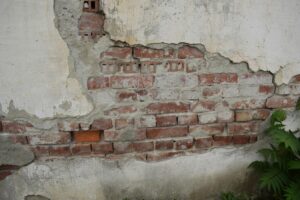
Structural issues are among the most significant concerns during home inspections, as they can affect the safety and value of a property. Common problems include foundation cracks, settling issues, and wall deformities. These issues often arise from poor construction practices, soil movement, or water damage. Identifying these problems early can save buyers from extensive repair costs and potential safety hazards.
How Do Foundation Cracks and Settling Affect Property Value and Safety?
Foundation cracks and settling can severely impact both the safety and value of a home. When a foundation is compromised, it can lead to uneven floors, wall cracks, and even structural failure. Buyers should be aware that significant foundation issues can lead to a depreciation in property value, making it crucial to address these concerns before finalizing a purchase. Repair costs for foundation issues can vary widely, often ranging from a few thousand dollars to tens of thousands, depending on the severity of the damage.
What Signs Indicate Urgent Structural Repairs Are Needed?
Several signs can indicate that urgent structural repairs are necessary. Home buyers should look for:
- Cracks in Walls: Large or expanding cracks can signal serious structural issues.
- Uneven Floors: Sloping or uneven floors may indicate foundation problems.
- Water Damage: Signs of water intrusion can lead to mold and further structural damage.
Recognizing these signs early can help buyers negotiate repairs or reconsider their purchase.
Which Roofing Problems Should Buyers Watch for in Tampa Bay Homes?

Roofing issues are prevalent in the Tampa Bay area due to the region’s unique climate. Common problems include missing shingles, leaks, and deterioration from prolonged exposure to moisture and heat. Buyers should conduct thorough inspections to identify any potential roofing defects that could lead to costly repairs in the future.
How to Identify Roof Leaks and Shingle Damage Effectively?
Identifying roof leaks and shingle damage requires a keen eye and some basic knowledge. Buyers should look for:
- Visible Shingle Damage: Missing or curled shingles can indicate a need for replacement.
- Water Stains on Ceilings: These stains often signal leaks that need immediate attention.
- Moss or Algae Growth: This can indicate moisture retention, leading to further damage.
Regular inspections and maintenance can help prevent more significant issues down the line.
What Are the Costs and Risks Associated with Roofing Defects?
Roofing defects can lead to a range of financial and structural challenges depending on their severity and how long they remain unaddressed. Minor issues such as missing shingles or small leaks may start as manageable repairs but can quickly develop into larger concerns if moisture reaches underlying materials. Over time, untreated roofing problems can contribute to interior water damage, mold growth, insulation deterioration, and weakened structural components. In more serious cases, extensive roof damage may affect the home’s safety, insurance eligibility, and long-term property value. Addressing roofing defects early helps reduce repair complexity and protects the overall condition of the property.
What Plumbing Defects Commonly Appear in Home Inspections?

Plumbing defects are another critical area of concern during home inspections. Common issues include leaky pipes, corrosion, and inadequate water pressure. These problems can lead to significant water damage and costly repairs if not addressed promptly. Buyers should be vigilant in checking for signs of plumbing issues during their inspections.
How Do Leaks and Pipe Corrosion Impact Home Integrity?
Leaks and pipe corrosion can severely compromise a home’s integrity. Water damage from leaks can lead to mold growth, structural damage, and increased utility bills. Additionally, corroded pipes can contaminate drinking water, posing health risks to residents. Addressing these issues early is essential for maintaining a safe and healthy living environment.
What Are the Recommended Solutions for Plumbing Issues?
When faced with plumbing defects, buyers should consider the following solutions:
- Repair Leaks Promptly: Addressing leaks quickly can prevent further damage.
- Replace Corroded Pipes: Upgrading to modern materials can enhance water quality and system reliability.
- Regular Maintenance: Routine inspections can help identify potential issues before they escalate.
By taking proactive measures, homeowners can ensure their plumbing systems remain in good working order.
What Electrical System Concerns Must Buyers Consider?

Electrical system issues are critical to assess during a home inspection. Common concerns include outdated wiring, overloaded circuits, and faulty panels. These problems can pose serious safety hazards, including fire risks. Buyers should ensure that the electrical system meets current safety standards and is capable of handling modern electrical demands.
How to Detect Wiring and Panel Problems During Inspections?
Detecting wiring and panel problems requires careful inspection. Buyers should look for:
- Flickering Lights: This can indicate overloaded circuits or faulty wiring.
- Burning Smells: Any unusual odors near outlets or panels should be investigated immediately.
- Old or Damaged Wiring: Frayed or exposed wires are a significant safety hazard.
Identifying these issues early can help buyers negotiate repairs or seek professional evaluations.
What Safety Hazards Arise from Electrical Deficiencies?
Electrical deficiencies can lead to several safety hazards, including:
- Fire Risks: Overloaded circuits and faulty wiring can ignite fires.
- Shock Hazards: Exposed wires pose a risk of electric shock.
- Insurance Implications: Homes with electrical deficiencies may face higher insurance premiums or coverage issues.
Understanding these risks is crucial for buyers to ensure their safety and protect their investment.
Why Is HVAC System Inspection Critical for Home Buyers?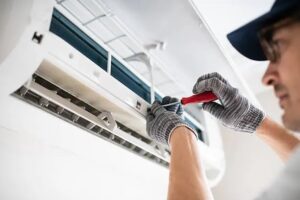
An HVAC system inspection is vital for home buyers, as it directly impacts comfort and energy efficiency. A well-functioning HVAC system ensures consistent heating and cooling, while an inefficient system can lead to high energy bills and discomfort. Buyers should prioritize HVAC inspections to avoid unexpected repair costs.
How Does HVAC Efficiency Affect Long-Term Costs?
The efficiency of an HVAC system significantly affects long-term costs. An efficient system can lead to:
- Lower Energy Bills: Efficient systems consume less energy, reducing monthly costs.
- Extended Lifespan: Regular maintenance and efficient operation can prolong the system’s life.
- Improved Comfort: Efficient systems provide consistent heating and cooling, enhancing overall comfort.
Investing in a quality HVAC system can yield significant savings over time.
What Damage Indicators Should Be Noted in HVAC Systems?
When inspecting HVAC systems, buyers should look for:
- Unusual Noises: Strange sounds can indicate mechanical issues.
- Inconsistent Temperatures: Variations in temperature can signal system inefficiencies.
- High Energy Bills: Unexpected increases in energy costs may indicate HVAC problems.
Identifying these indicators can help buyers address issues before they escalate.
How Can Mold and Moisture Problems Be Identified and Addressed?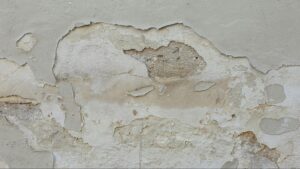
Mold and moisture problems are critical concerns for home buyers, as they can lead to health issues and structural damage. Identifying these problems early is essential for maintaining a safe living environment. Buyers should be aware of common signs of mold and moisture issues during inspections.
What Are the Health Risks Associated with Mold Infestations?
Mold infestations can pose several health risks, including:
- Respiratory Issues: Mold spores can trigger allergies and asthma.
- Allergic Reactions: Some individuals may experience severe allergic reactions to mold.
- Long-term Health Effects: Prolonged exposure to mold can lead to chronic health issues.
Understanding these risks emphasizes the importance of addressing mold problems promptly.
Which Inspection Techniques Reveal Hidden Moisture Issues?
To identify hidden moisture issues, buyers can employ several inspection techniques:
- Visual Inspections: Look for water stains, discoloration, or peeling paint.
- Moisture Meters: These devices can detect moisture levels in walls and ceilings.
- Professional Inspections: Hiring a qualified inspector can uncover hidden issues that may not be visible to the untrained eye.
By utilizing these techniques, buyers can ensure their new home is free from moisture-related problems.
Frequently Asked Questions
What should I do if a home inspection reveals major problems?
If significant concerns appear in an inspection report, buyers can request repairs, negotiate price adjustments, or plan improvements before closing. Advanced Real Estate Services helps clients review inspection findings and understand how these issues may influence financing decisions and next steps.
How long does a typical home inspection take?
Most inspections take between two and four hours, depending on the property’s size, condition, and accessibility. Larger or older homes may require additional time for a thorough evaluation.
Can inspection findings affect renovation loan eligibility?
Yes, inspection results often help determine whether renovation financing is appropriate by identifying repair priorities and improvement scope. Advanced Real Estate Services can help buyers understand how inspection findings connect to renovation loan planning options.
Should buyers attend the home inspection?
Attending the inspection is strongly recommended because it allows buyers to see potential issues firsthand and ask questions directly to the inspector about maintenance needs.
How can I choose a qualified home inspector?
Look for inspectors with recognized certifications, strong local experience, and detailed reporting practices. After receiving the report, Advanced Real Estate Services can help you interpret the results and understand how they affect your purchase strategy.
Conclusions
Understanding the most common home inspection issues helps buyers make confident and informed decisions throughout the purchasing process. Structural stability, roofing condition, plumbing reliability, and electrical safety all play critical roles in determining a property’s long-term performance. Identifying concerns early allows buyers to negotiate repairs, estimate maintenance costs, and avoid unexpected surprises after closing. In Florida’s climate, careful attention to HVAC efficiency and moisture exposure is especially important for protecting property value. A thorough inspection review provides clarity about both immediate priorities and future improvement opportunities. Advanced Real Estate Services supports clients by helping them interpret inspection results and align property conditions with financing and renovation strategies.