When purchasing a home, being aware of potential red flags during a home inspection is crucial for making an informed decision. This will guide you through the most common issues that can arise during home inspections, helping you identify potential problems before they become costly repairs.
Understanding these red flags not only protects your investment but also empowers you as a buyer to negotiate better terms. We will explor articlee structural issues, roofing defects, electrical and plumbing concerns, and how renovation loans can assist in addressing these problems. Additionally, we will discuss property protection strategies to safeguard your investment post-inspection. Advanced Real Estate Services helps buyers review inspection findings and make informed decisions during the home-buying process.
Key Takeaways:
- Identify Interior Warning Signs Early: Watch for moisture stains, mold, poor ventilation, or signs of unfinished repairs that could indicate deeper structural or maintenance issues.
- Inspect Roofing and Exterior Conditions Carefully: Missing shingles, damaged siding, clogged gutters, and poor drainage can lead to water intrusion and long-term structural damage.
- Recognize Electrical and Plumbing Red Flags: Outdated wiring, exposed electrical components, plumbing leaks, and unexplained water damage should be addressed quickly to prevent safety risks and costly repairs.
- Use Inspection Findings to Make Smarter Decisions: Reviewing inspection reports carefully allows buyers to negotiate repairs, adjust purchase terms, or plan improvements with guidance from Advanced Real Estate Services.
- Protect Your Investment with Ongoing Maintenance: Routine inspections, proper insurance coverage, and prompt repairs help homeowners prevent future inspection issues and maintain property value over time.
What Interior Warning Signs Should Buyers Watch for During a Home Inspection?
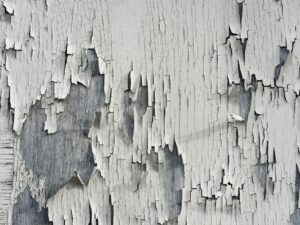
While structural issues are important, many inspection red flags appear inside the home during a careful walkthrough. Interior warning signs can reveal hidden problems with moisture, ventilation, insulation, or previous repairs that were not completed properly. These issues may not seem serious at first glance, but they can signal deeper problems that require professional evaluation. Paying attention to interior conditions during an inspection helps buyers identify risks early and avoid unexpected repair costs. Advanced Real Estate Services helps buyers review these findings and understand how interior inspection concerns may influence the overall purchase decision.
How to Spot Moisture and Water Intrusion Problems
Moisture is one of the most common issues identified during home inspections, and it can lead to mold growth, structural damage, and poor indoor air quality if not addressed quickly. Buyers should carefully check for signs of water intrusion throughout the home.
Signs to look for include:
- Water stains on ceilings or walls
- Peeling paint or bubbling drywall
- Musty odors in rooms, basements, or closets
- Warped flooring or soft spots near bathrooms and kitchens
- Visible mold around vents, windows, or plumbing fixtures
Recognizing these signs early allows buyers to investigate the source of the moisture before it causes further damage.
Identifying Poor Ventilation and Airflow Issues
Proper ventilation plays a key role in maintaining a healthy indoor environment and preventing moisture buildup. During a home inspection, buyers should pay attention to areas where airflow may be restricted or inadequate.
Common indicators of ventilation problems include:
- Excess humidity inside the home
- Condensation on windows or walls
- Bathrooms without exhaust fans
- Attic spaces that feel damp or poorly ventilated
- Strong odors that linger in enclosed areas
Poor ventilation can contribute to mold growth and long-term structural deterioration if not corrected.
Recognizing Signs of Poor Repairs or Previous Damage
Another red flag during inspections is evidence of previous repairs that were done incorrectly or without proper permits. While cosmetic fixes may hide visible damage, inspectors often notice signs that indicate unfinished or improperly completed work.
Buyers should watch for:
- Uneven patchwork on walls or ceilings
- Fresh paint covering potential water stains
- Mismatched flooring or trim around repaired areas
- Loose tiles, cabinets, or fixtures
- Areas where building materials appear inconsistent with the rest of the home
Identifying questionable repairs early allows buyers to request additional inspections or negotiate repairs before completing the purchase.
Which Roofing and Exterior Defects Should Buyers Be Aware Of?
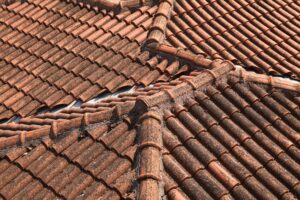
Roofing and exterior defects can lead to significant issues if not addressed promptly. Buyers should be aware of common problems such as roof leaks, damaged shingles, and issues with siding, gutters, and drainage systems. These defects can compromise the home’s integrity and lead to costly repairs.
Detecting Roof Leaks and Damaged Shingles
Roof leaks can be challenging to detect until they cause visible damage inside the home. Buyers should look for:
- Missing or damaged shingles: This can expose the roof to water damage.
- Stains on ceilings or walls: These may indicate water intrusion from a leak.
- Moss or algae growth: This can suggest moisture retention, which may lead to leaks.
Regular roof inspections can help identify these issues before they escalate.
Spotting Exterior Issues: Siding, Gutters, and Drainage Problems
Exterior issues can significantly impact a home’s value and livability. Buyers should check for:
- Damaged siding: Cracks, warping, or gaps can allow moisture to penetrate the home.
- Clogged gutters: This can lead to water damage and foundation issues.
- Improper drainage: Ensure that water flows away from the foundation to prevent flooding.
Addressing these exterior concerns can enhance the home’s longevity and protect against future problems.
What Electrical and Plumbing Concerns Often Appear in Home Inspections?
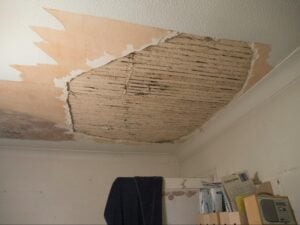
Electrical and plumbing systems are critical components of any home, and issues in these areas can pose safety risks. Common concerns include electrical hazards, plumbing leaks, and signs of water damage. Buyers should be aware of these potential problems to ensure a safe living environment.
Common Electrical Hazards and Safety Risks to Watch For
Electrical hazards can lead to serious safety issues, including fires. Buyers should look for:
- Outdated wiring: Knob-and-tube wiring or aluminum wiring, which are considered potential hazards and often require updating.
- Exposed wires: This poses a significant risk of electrical shock.
- Frequent tripping of circuit breakers: This may indicate overloaded circuits or faulty wiring.
Identifying these hazards can help buyers prioritize necessary upgrades for safety.
Identifying Plumbing Leaks and Water Damage Indicators
Plumbing leaks can cause extensive damage if not addressed quickly. Buyers should be vigilant for:
- Water stains on ceilings or walls: These can indicate leaks from above.
- Mold growth: This often accompanies water damage and can affect indoor air quality.
- Unusual water bills: A sudden increase may suggest hidden leaks.
Recognizing these signs can lead to timely repairs and prevent further damage.
What Property Protection Strategies Should Homeowners Consider Post-Inspection?
After a home inspection, implementing property protection strategies is essential for safeguarding your investment. Homeowners should consider various insurance options and maintenance tips to prevent future inspection red flags. These strategies can help maintain the home’s value and ensure long-term satisfaction.
Insurance Options for Protecting Against Common Home Defects
Homeowners should explore insurance options that cover common defects, including:
- Homeowners insurance: This typically covers structural damage, liability, and personal property damage, but often does not cover repairs for pre-existing defects.
- Home warranty: This can provide coverage for repairs or replacement of major systems and appliances due to normal wear and tear.
- Flood insurance: Essential for homes in flood-prone areas to protect against water damage not covered by standard homeowners insurance.
Understanding these options can help homeowners choose the right coverage for their needs.
Maintenance Tips to Prevent Future Inspection Red Flags
Regular maintenance is key to preventing future issues. Homeowners should adopt the following practices:
- Routine inspections: Schedule annual inspections for roofing, plumbing, and electrical systems.
- Seasonal maintenance: Clean gutters, check for leaks, and inspect the foundation regularly.
- Prompt repairs: Address minor issues before they escalate into major problems.
By staying proactive, homeowners can protect their investment and ensure a safe living environment.
Frequently Asked Questions
How can I prepare for a home inspection as a buyer?
Preparing for a home inspection involves several steps. First, familiarize yourself with common red flags to look for, such as structural issues or plumbing concerns. Create a checklist of items to discuss with the inspector, including any specific worries you have about the property. Additionally, be present during the inspection to ask questions and gain insights directly from the inspector. This proactive approach will help you make informed decisions based on the inspection results.
How long does a typical home inspection take?
A typical home inspection usually takes between two to four hours, depending on the property’s size and complexity. Larger homes or those with unique features may require more time. It’s advisable to allocate enough time for the inspector to thoroughly evaluate the property and for you to ask questions. Being present during the inspection can provide valuable insights and help you understand any potential issues that may arise.
What happens after the home inspection report is delivered?
After receiving the home inspection report, review it carefully to understand the findings. The report will detail any issues discovered, along with recommendations for repairs or further evaluations. Based on this information, you can discuss your options with your real estate agent, including negotiating repairs with the seller, requesting credits, or deciding to walk away from the deal. It’s crucial to act promptly, as timeframes for negotiations can be limited.
Can I attend the home inspection, and should I?
Yes, you can and should attend the home inspection if possible. Being present allows you to ask questions directly to the inspector and gain a better understanding of the property’s condition. You can also observe any issues firsthand, which can help you make informed decisions later. Attending the inspection provides an opportunity to learn about maintenance tips and potential concerns that may not be evident in the final report.
Conclusion
Being aware of potential red flags during a home inspection is essential for making informed decisions and protecting your investment. By understanding common structural, roofing, electrical, and plumbing issues, buyers can negotiate better terms and avoid costly repairs. Implementing property protection strategies post-inspection further enhances the longevity and value of your home. Take the next step in safeguarding your investment by exploring our resources on home maintenance and insurance options today.