A professional home inspection provides buyers and homeowners with a clear understanding of a property’s condition before major financial decisions are made. Inspectors evaluate structural stability, essential systems, safety risks, and maintenance concerns that may affect long-term property value. Understanding what inspectors review helps buyers prepare for negotiations and avoid unexpected repair expenses after closing. In competitive Florida markets, inspections also reveal climate-related risks such as moisture intrusion, aging roofing materials, and drainage concerns. Learning how to interpret inspection findings allows buyers to move forward with confidence and realistic expectations. Advanced Real Estate Services supports clients by helping them review inspection findings and understand how property conditions influence financing options, renovation planning, and purchase strategy.
Key Takeaways:
- A home inspection evaluates structural components, roofing systems, electrical panels, and plumbing to identify safety concerns and maintenance risks before closing.
- Structural issues like foundation movement or roof wear can affect property value, insurance eligibility, and long-term repair planning.
- Electrical and plumbing inspections often reveal outdated wiring, leaks, or moisture exposure that may require upgrades for safety and reliability.
- Inspection reports help buyers prioritize repairs, negotiate purchase terms, and better understand future maintenance responsibilities.
- Reviewing inspection findings with guidance from Advanced Real Estate Services helps buyers make informed decisions about financing options and renovation planning.
Comprehensive Home Inspection Checklist: What Home Inspectors Discover During Inspections

A home inspection follows a structured checklist designed to evaluate safety, functionality, and long-term durability across all major areas of a property. Inspectors examine structural components, roofing systems, electrical panels, plumbing infrastructure, and interior conditions to identify visible defects and maintenance risks. These findings help buyers understand both immediate repair priorities and future maintenance responsibilities. A detailed inspection report also provides leverage during contract negotiations and supports smarter budgeting decisions before closing. In Florida, inspectors often pay special attention to moisture exposure, ventilation performance, and storm-related wear. Reviewing inspection results with professional guidance from Advanced Real Estate Services helps buyers translate technical findings into informed purchasing decisions.
Structural Components: Foundations, Walls, and Roof Systems
Inspectors carefully review structural components because they directly affect safety, stability, and resale value. Foundations are evaluated for settlement movement, visible cracking, and drainage influence. Wall systems are examined for signs of moisture intrusion or shifting. Roof structures are checked for aging materials and storm-related wear common in coastal climates. Identifying structural concerns early allows buyers to estimate repair needs before finalizing a purchase agreement. Structural observations also help determine whether additional specialist evaluations are necessary.
Common structural elements inspectors evaluate include
- Foundation cracking patterns
- Roof decking condition
- Wall alignment and framing stability
- Ceiling separation or sagging
- Attic ventilation performance
- Roof flashing integrity
- Evidence of long-term moisture exposure
Why Structural Stability Matters in Florida Homes
Florida soil movement, humidity exposure, and storm conditions can influence structural performance over time. Inspectors look for settlement patterns that indicate shifting foundations and moisture damage that affects framing materials. Identifying these risks early helps buyers avoid unexpected structural repair expenses later. Structural findings also influence insurance eligibility and financing requirements in certain transactions.
Electrical Systems and Safety Components in a Home Inspection
Electrical inspections focus on identifying outdated wiring, overloaded circuits, and grounding issues that may create safety risks. Inspectors evaluate service panels, branch wiring, receptacles, and visible connections throughout the home. Electrical upgrades are common in older properties where systems no longer meet current safety expectations. Addressing these issues early helps buyers prioritize improvements that support safe occupancy. Electrical system observations also influence renovation planning timelines after closing.
Inspectors typically review:
- Main service panel condition
- Breaker compatibility and labeling
- Visible aluminum or knob and tube wiring
- GFCI protection near water sources
- Outlet functionality and placement
- Evidence of overheating or corrosion
- Exterior electrical connections
How Electrical Findings Affect Financing and Safety Planning
Electrical system deficiencies can influence lender approval requirements and insurance eligibility in some transactions. Buyers benefit from understanding these risks early in the process. Planning upgrades before occupancy improves safety and reduces the likelihood of unexpected system failures.
Plumbing Systems Reviewed During a Home Inspection
Plumbing inspections evaluate supply lines, drainage systems, fixture performance, and signs of concealed water damage. Inspectors look for corrosion, leakage patterns, and installation concerns that could affect reliability. Moisture exposure is especially important in Florida properties where humidity levels increase the likelihood of hidden damage. Plumbing observations also help buyers estimate maintenance costs after closing. Early identification of drainage concerns reduces the risk of structural deterioration and mold growth.
Common plumbing inspection checkpoints include:
- Visible pipe corrosion
- Water pressure consistency
- Fixture drainage speed
- Leak evidence beneath sinks
- Water heater condition
- Shutoff valve accessibility
- Signs of slab leaks
Moisture Risks Linked to Plumbing System Failures
Hidden plumbing leaks often contribute to interior moisture problems that impact flooring, insulation, and wall materials. Inspectors evaluate surrounding surfaces for staining and humidity indicators that suggest long-term exposure. Early detection protects both structural integrity and indoor air quality.
What Are the Most Common Issues Found During a Home Inspection?
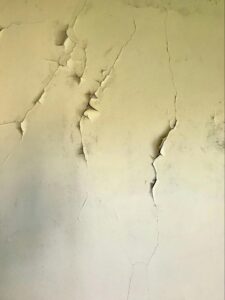
Inspection reports frequently identify recurring property conditions that affect safety, livability, and long-term maintenance planning. These issues often involve roofing wear, aging electrical systems, drainage limitations, and moisture exposure. Recognizing these findings early allows buyers to evaluate repair timelines before closing. Understanding the severity of inspection concerns helps determine whether additional specialist evaluations are needed. These insights also support better budgeting for future maintenance. Advanced Real Estate Services helps clients interpret inspection results and understand how identified concerns influence renovation planning and financing strategies.
Structural Defects That Influence Property Stability
Structural defects can range from cosmetic settlement cracks to conditions that require engineering review. Inspectors document visible movement patterns and signs of moisture intrusion affecting framing systems. These findings help buyers determine whether repairs are immediate priorities or long-term monitoring items. Structural observations also influence insurance approval in some transactions. Identifying severity levels early supports better negotiation decisions.
Examples of Structural Conditions Inspectors Monitor
- Minor wall separation
- Foundation settlement indicators
- Roof framing irregularities
- Ceiling stress cracks
- Floor slope variations
Electrical Issues Frequently Noted in Inspection Reports
Electrical concerns often involve outdated panel components, insufficient grounding, and wiring compatibility limitations. Inspectors document these conditions because they affect both safety and modernization planning. Electrical upgrades are common recommendations for older properties that were built before current safety standards. Understanding these risks allows buyers to estimate improvement costs more accurately. Early awareness supports safer occupancy planning after closing.
Plumbing Problems That Signal Hidden Property Risks
Plumbing defects are commonly identified through visible corrosion, slow drainage, and moisture staining around fixtures. These conditions may indicate deeper infrastructure concerns that require follow-up evaluation. Inspectors document these issues to help buyers anticipate maintenance needs. Addressing plumbing concerns early reduces the likelihood of structural moisture damage. Repair planning becomes easier when inspection findings are clearly understood.
Property Protection Strategies After a Home Inspection
Property protection planning begins after inspection findings are reviewed and repair priorities are identified. Preventative maintenance strategies reduce long-term ownership risks and help preserve property value. Insurance coverage decisions also influence financial protection following purchase completion. Seasonal inspections improve early detection of climate-related concerns common in Florida homes. Long-term planning supports stable ownership costs. Advanced Real Estate Services helps clients evaluate property protection strategies that align with inspection observations and future maintenance planning goals.
Preventative Maintenance Steps That Reduce Future Risk
Preventative maintenance reduces the likelihood of recurring inspection concerns by addressing minor issues before they expand into structural damage. Seasonal inspections help identify early warning signs that require attention. Routine servicing improves mechanical system reliability.
Insurance Planning After Inspection Discoveries
Inspection findings often influence insurance coverage decisions following property purchase. Buyers should confirm coverage availability for identified risks such as wind exposure or flooding. Reviewing coverage options early helps avoid unexpected policy limitations. Understanding coverage requirements improves long-term financial protection.
Frequently Asked Questions
What should I do to prepare my home for an inspection?
Make sure inspectors can easily access key areas such as the attic, electrical panel, HVAC system, crawlspaces, and under sinks. Replace burned-out bulbs, check that utilities are on, and clear stored items blocking entry points. Being prepared helps ensure a smoother and more complete inspection.
How long does a typical home inspection take?
Most home inspections take about 2 to 4 hours, depending on the property’s size, age, and condition. Larger homes or properties with additional structures may take longer to evaluate thoroughly.
Can I attend the home inspection, and should I?
Yes, attending the inspection is highly recommended. It allows you to see issues firsthand, ask questions, and better understand maintenance needs. This can help you make more confident decisions before moving forward with a purchase.
What happens if the inspection reveals significant issues?
If major concerns are identified, buyers can request repairs, negotiate price adjustments, or plan improvements before closing. Advanced Real Estate Services helps clients review inspection findings and understand how these issues may impact financing options and next steps in the purchase process.
How can I find a qualified home inspector?
Look for inspectors with recognized certifications, strong reviews, and experience evaluating homes similar to the property you are considering. After the inspection, Advanced Real Estate Services can help you interpret the report and determine how the results affect your purchase strategy.
Conclusion
Understanding what inspectors evaluate during a home inspection helps buyers move forward with greater clarity and confidence throughout the purchasing process. From structural stability to electrical safety and plumbing reliability, inspection findings provide essential insight into a property’s condition and future maintenance needs. Early awareness of potential issues allows buyers to negotiate effectively and plan improvements before they become urgent expenses. In Florida markets, inspections also highlight climate-related risks that can affect long-term property performance. Reviewing inspection results carefully ensures that decisions are based on accurate and practical information. Advanced Real Estate Services supports clients by helping them interpret inspection findings and align property conditions with financing and renovation planning goals.