Home inspections are essential when buying a home, as they provide valuable insight into the property’s condition and highlight potential issues. From structural and foundation problems to plumbing, electrical, and HVAC concerns, understanding what to look for during an inspection can help buyers make informed decisions. Addressing these issues early on can save homeowners significant costs down the line. In this guide, we’ll walk you through the most common home inspection problems and how to effectively tackle them. Additionally, we’ll explore how renovation loans can help cover necessary repairs and share property protection strategies. By the end, you’ll be equipped to navigate home inspections with confidence.
Key Takeaways
- Structural Issues Can Impact Safety and Value: Foundation cracks, roof defects, and framing issues should be addressed promptly to ensure the home’s structural integrity.
- Roofing Problems Pose Major Risks: Missing shingles, leaks, and poor drainage can lead to water damage and mold, impacting both safety and property value.
- Plumbing and Electrical Defects Are Common Red Flags: Leaks, faulty wiring, and outdated systems pose safety risks and can lead to expensive repairs if not fixed.
- HVAC Problems Affect Comfort and Efficiency: Poor heating, cooling, or air quality can lead to higher energy bills, so regular HVAC maintenance is crucial for maintaining efficiency.
- Renovation Loans Can Finance Repairs: Homebuyers can use renovation loans to cover repair costs from home inspection findings, easing the financial burden of necessary updates.
Common Structural Issues Found During Home Inspections
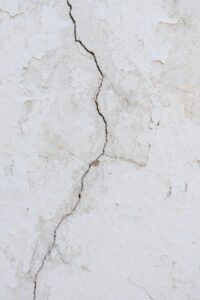
Structural issues are among the most significant concerns identified during home inspections, as they can impact the safety and integrity of a home. Common structural problems include roof issues, foundation defects, and framing concerns. These issues can lead to costly repairs if not addressed promptly. Homeowners should be aware of the signs of structural problems and seek professional evaluations when necessary.
How Do Roof Problems Affect Home Safety and Value?
Roof problems can significantly impact both the safety and value of a home. Common issues include missing shingles, leaks, and improper drainage. These problems can lead to water damage, mold growth, and structural deterioration. A compromised roof not only poses safety risks but can also decrease property value, making it essential for homeowners to address any roofing concerns promptly. Regular inspections and maintenance can help prevent these issues from escalating.
What Foundation Defects Should Tampa Bay Buyers Watch For?
Foundation defects are critical issues that potential buyers in Tampa Bay should be vigilant about. Signs of foundation problems include cracks in walls, uneven floors, and doors that do not close properly. These defects can lead to serious structural damage if left unaddressed. Homebuyers should consider hiring a foundation specialist or structural engineer to assess any visible foundation issues before finalizing a purchase. Early detection and repair can save homeowners significant costs in the long run.
Which Plumbing and Electrical Problems Are Frequent Home Inspection Red Flags?

Plumbing and electrical issues are common red flags during home inspections that can indicate larger problems. Homeowners should be aware of these issues to ensure their safety and the functionality of their homes.
How to Identify Plumbing Defects and Their Repair Costs?
Identifying plumbing defects involves looking for signs such as leaks, water stains, and low water pressure. Common plumbing issues include corroded pipes, faulty fixtures, and sewer line problems. Repair costs can vary widely depending on the severity of the issue, ranging from minor fixes to major overhauls. Homeowners should budget for potential plumbing repairs and consider obtaining estimates from licensed plumbers to understand the financial implications of any defects found during an inspection.
What Electrical Hazards Are Common and How Can They Be Fixed?
Electrical hazards are another critical concern during home inspections. Common issues include outdated wiring, overloaded circuits, and improper grounding. These hazards can pose serious safety risks, including fire hazards. Homeowners should ensure that their electrical systems are up to code and consider hiring a licensed electrician to address any identified issues. Regular electrical inspections can help prevent dangerous situations and ensure the safety of the home.
How Do HVAC Issues Impact Home Inspections and What Are the Solutions?
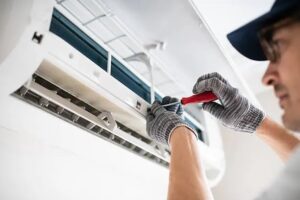
HVAC issues can significantly affect home inspections, as they relate directly to the comfort and efficiency of a home. Common HVAC concerns include inadequate heating or cooling, unusual noises, and poor air quality. Addressing these issues is essential for maintaining a comfortable living environment.
What Are Typical HVAC Concerns Noted in Inspection Reports?
Typical HVAC concerns noted in inspection reports include dirty filters, malfunctioning thermostats, and aging equipment. These issues can lead to inefficient heating and cooling, resulting in higher energy bills and discomfort. Homeowners should prioritize regular maintenance, including filter changes and system checks, to ensure their HVAC systems operate efficiently. Investing in a professional inspection can also help identify potential problems before they escalate.
How Can Homeowners Address HVAC Problems Effectively?
Homeowners can address HVAC problems effectively by scheduling regular maintenance and being proactive about repairs. Simple steps include changing filters regularly, cleaning ducts, and ensuring proper insulation. For more significant issues, homeowners should consult with HVAC professionals to assess the situation and recommend appropriate solutions. Understanding the importance of HVAC maintenance can lead to improved energy efficiency and comfort in the home.
How Can Renovation Loans Help Fix Home Inspection Problems?
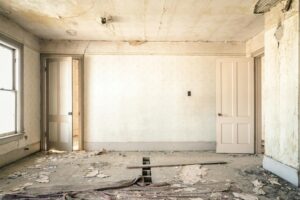
Renovation loans can be a valuable resource for homeowners looking to address issues identified during home inspections. These loans provide financing options specifically designed for home repairs and improvements, making it easier for homeowners to invest in necessary renovations.
How to Use Renovation Loans to Finance Home Repairs After Inspection?
Using renovation loans to finance home repairs involves several steps. Homeowners should first identify the necessary repairs and obtain estimates from licensed contractors. Next, they can apply for a renovation loan, providing the required documentation and repair estimates to the lender. Once approved, homeowners can use the funds to complete the repairs, ensuring their home is safe and up to code. This financing option can alleviate the financial burden of unexpected repair costs.
What Property Protection Strategies Should Homeowners Consider Post-Inspection?

After a home inspection, implementing property protection strategies is essential for maintaining the condition of the home and preventing future issues. These strategies can help homeowners safeguard their investments and reduce the likelihood of costly repairs.
How Does Property Protection Reduce Future Repair Risks?
Property protection strategies, such as regular maintenance, inspections, and proper landscaping, can significantly reduce future repair risks. By addressing minor issues before they escalate, homeowners can save money and maintain the value of their property. Additionally, implementing preventive measures, such as waterproofing basements and ensuring proper drainage, can protect against environmental damage.
What Are Best Practices for Maintaining Home Condition in Tampa Bay?
Best practices for maintaining home condition in Tampa Bay include regular inspections, seasonal maintenance tasks, and staying informed about local environmental factors. Homeowners should create a maintenance schedule that includes tasks such as gutter cleaning, HVAC servicing, roof inspections, and hurricane preparedness measures. Utilizing local resources, such as contractors and maintenance services, can also help homeowners stay on top of their property’s condition and address any issues promptly.
Conclusion
Being proactive during a home inspection allows buyers to identify potential problems before they become costly repairs. Structural issues, roof damage, plumbing defects, electrical hazards, and HVAC concerns are all red flags that require attention. We can assist with these home-related challenges, offering expert solutions for HVAC maintenance, plumbing, and electrical issues.
Moreover, homeowners should consider renovation loans to fund necessary repairs, making it easier to address issues without compromising their financial stability. Lastly, implementing property protection strategies ensures the long-term condition of your home, helping you safeguard your investment for years to come.